
Careful review of previous testing for patients with complex epilepsy or neurological conditions—providing a clear assessment and treatment plan when important questions remain.
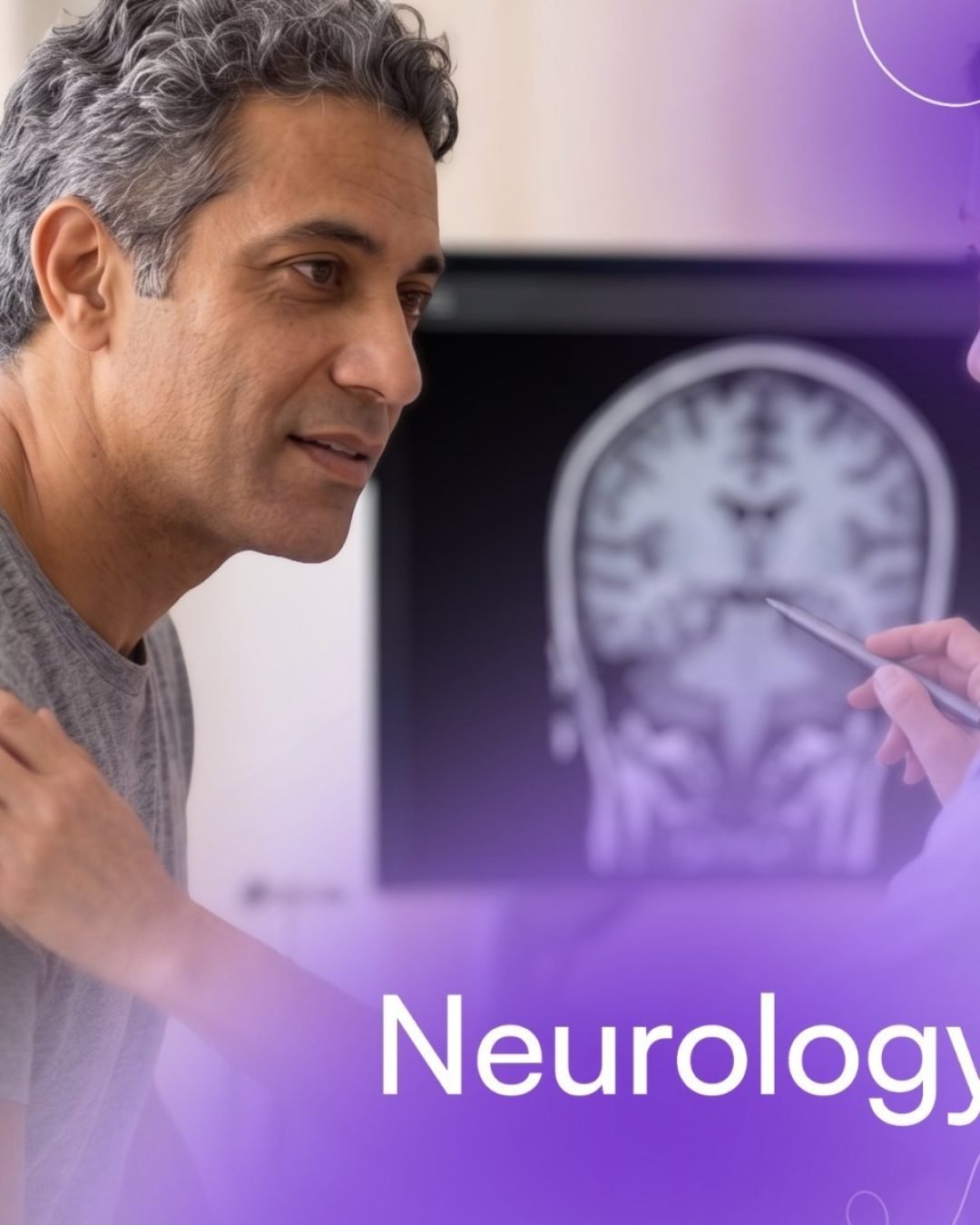
Previous testing examined in context
Useful when the diagnosis remains uncertain
Another opinion regarding treatment decisions
A clear assessment and treatment plan
The Center provides second-opinion consultations for patients with complex epilepsy and neurological conditions.
A second opinion may help when seizures continue despite treatment.
Another specialist review may help clarify an uncertain diagnosis.
A second opinion may be useful after several medication trials.
Previous testing can be reviewed when EEG or MRI findings do not align.
A consultation can provide another perspective regarding treatment.
Complex or unexplained neurological symptoms may benefit from additional review.
The consultation is organized around the diagnosis, previous testing, treatment history, and the specific clinical question.
Review when the diagnosis remains uncertain.
Review when seizures continue despite treatment.
Assessment after several medications have been tried.
Careful review of available neurological testing.
Another opinion regarding the current treatment plan.
Assessment of complex or unexplained neurological symptoms.
Specialist review for complex epilepsy and seizure disorders.
The goal is a clear assessment and treatment plan.
The purpose is not simply to repeat prior care, but to carefully review previous testing and provide a clear assessment and treatment plan.
The consultation centers on the diagnosis, treatment decision, previous testing, or neurological concern that remains unclear.
Available testing is reviewed as part of the second-opinion consultation.
The specialist evaluates the information and the questions that led to the consultation.
The goal is to provide a clear assessment and treatment plan.
Important: the exact scope of the consultation depends on the condition, the information available, and the clinical questions being reviewed.
The review is guided by the diagnosis, previous treatment, available testing, and the specific questions that remain.
A second opinion may help when the diagnosis remains uncertain or requires another specialist perspective.
The consultation may provide another perspective on the current treatment plan.
A second opinion may be useful when several medications have already been tried.
Previous EEG results may be reviewed, particularly when findings are conflicting or unclear.
Previous MRI findings may be considered when they conflict with the diagnosis or clinical picture.
Complex or unexplained neurological symptoms may benefit from another specialist assessment.
The goal of the review: carefully consider previous testing and provide a clear assessment and treatment plan.
Second opinions are especially valuable when a case requires careful interpretation of previous testing, treatment history, and unresolved clinical questions.
Founder and Medical Director
Neurologist | Epileptologist | Clinical Neurophysiologist
Dr. Garcia has extensive experience in epilepsy, EEG interpretation, drug-resistant epilepsy, and advanced epilepsy care.
Dr. Garcia completed fellowship training in Clinical Neurophysiology, EEG, and Epilepsy at Cleveland Clinic and helped develop a comprehensive Level IV Epilepsy Center and epilepsy surgery program.
Epilepsy surgical evaluations in which Dr. Garcia has participated.
Epilepsy surgeries in which Dr. Garcia has participated throughout his career.
These answers summarize the second-opinion service described for the Center.
A second opinion may be useful for patients who continue having seizures despite treatment, have an uncertain diagnosis, have tried multiple medications, have conflicting EEG or MRI results, want another opinion regarding treatment, or have complex or unexplained neurological symptoms.
Yes. The Center provides second-opinion consultations for complex epilepsy and seizure disorders.
Yes. Conflicting EEG or MRI results are specifically identified as a reason a second opinion may be useful.
Yes. The service is intended for patients who want another opinion regarding treatment.
Yes. Patients who have tried multiple medications are among those who may find the consultation particularly useful.
Yes. The Center provides second opinions for complex neurological conditions and unexplained neurological symptoms.
The goal is to carefully review previous testing and provide a clear assessment and treatment plan.
Yes. Neurological care is available in both English and Spanish.
Request a second-opinion consultation for a complex epilepsy or neurological condition.
Complete the form and our team will contact you to help coordinate the next step.
Please do not submit medical records or sensitive medical information through this form. Our team will provide instructions if additional information is required.