Evaluation, diagnosis, treatment, and long-term care for epilepsy and seizure disorders—combining advanced expertise, individualized treatment, EEG review, and timely access to more advanced care when needed.
Focused evaluation after a first suspected seizure
Clarifying the type of epilepsy or seizure disorder
Individualized antiseizure treatment and follow-up
Drug-resistant epilepsy and next-step guidance
These common situations can help you identify the most relevant part of the Center’s epilepsy care.
New-onset seizure evaluation can help clarify what happened and what should be reviewed next.
Epilepsy diagnosis and classification may help clarify the condition and guide treatment.
Ongoing seizures despite appropriate medication may require a more specialized evaluation.
Breakthrough seizure evaluation can review changes in symptoms, treatment, and available testing.
Antiseizure medication management and continuity of care are part of the Center’s epilepsy services.
A careful review may be useful when the diagnosis, prior testing, or treatment plan remains uncertain.
The goal is accurate diagnosis, individualized treatment, continuity of care, and timely access to more advanced evaluation when needed.
Focused evaluation after a first suspected seizure or newly occurring seizure event.
Assessment to clarify the diagnosis and classify the epilepsy or seizure disorder.
Individualized medication management as part of ongoing epilepsy treatment.
Evaluation when seizures recur or change despite an established treatment plan.
Ongoing neurological follow-up from diagnosis through treatment and continued care.
Review of EEG and available neurological imaging in relation to the clinical history.
Careful review when the diagnosis, testing, or treatment plan remains uncertain.
Specialized evaluation for seizures that continue despite appropriate antiseizure medications.
Epilepsy-focused counseling for women as part of individualized neurological care.
Assessment and guidance when additional testing or more advanced treatment may be needed.
Patients who continue experiencing seizures despite appropriate antiseizure medications may require a more specialized evaluation. An important goal is to identify these patients early and avoid unnecessary delays in advanced epilepsy care.
The evaluation is designed to review what has happened, what has already been tried, and whether additional testing or advanced epilepsy care should be considered.
The Center reviews the seizure history and medications previously used to understand the course of treatment and the questions that remain.
EEG and imaging are reviewed together with symptoms, medications, and the neurological evaluation.
The evaluation may include assessment for additional testing, advanced therapies, and referral or coordination when surgical or neuromodulation treatment may be appropriate.
The Center provides routine and prolonged EEG studies with specialized neurological interpretation.
Routine neurodiagnostic study
A routine EEG is one of the specialized neurodiagnostic services available through the Center.
Ambulatory monitoring
Ambulatory electroencephalography (EEG) allows for the recording of brain activity over an extended period, beyond the duration of a routine study, while the patient remains in their usual environment.”
Extended ambulatory monitoring
The Center provides 48-hour ambulatory EEG as part of its prolonged neurodiagnostic services.
Longer ambulatory recording
A 72-hour ambulatory EEG provides a longer recording window when extended monitoring is clinically appropriate.
Extended monitoring
Prolonged EEG monitoring is available when the clinical evaluation requires a more extensive study.
Specialized neurological review
Pediatric electroencephalography (EEG) is a safe, non-invasive test used to record the electrical activity of the brain in infants, children, and adolescents.
The integrated advantage: EEG findings are reviewed alongside the patient’s symptoms, medical history, imaging, medications, and neurological evaluation to provide a more clinically meaningful interpretation.
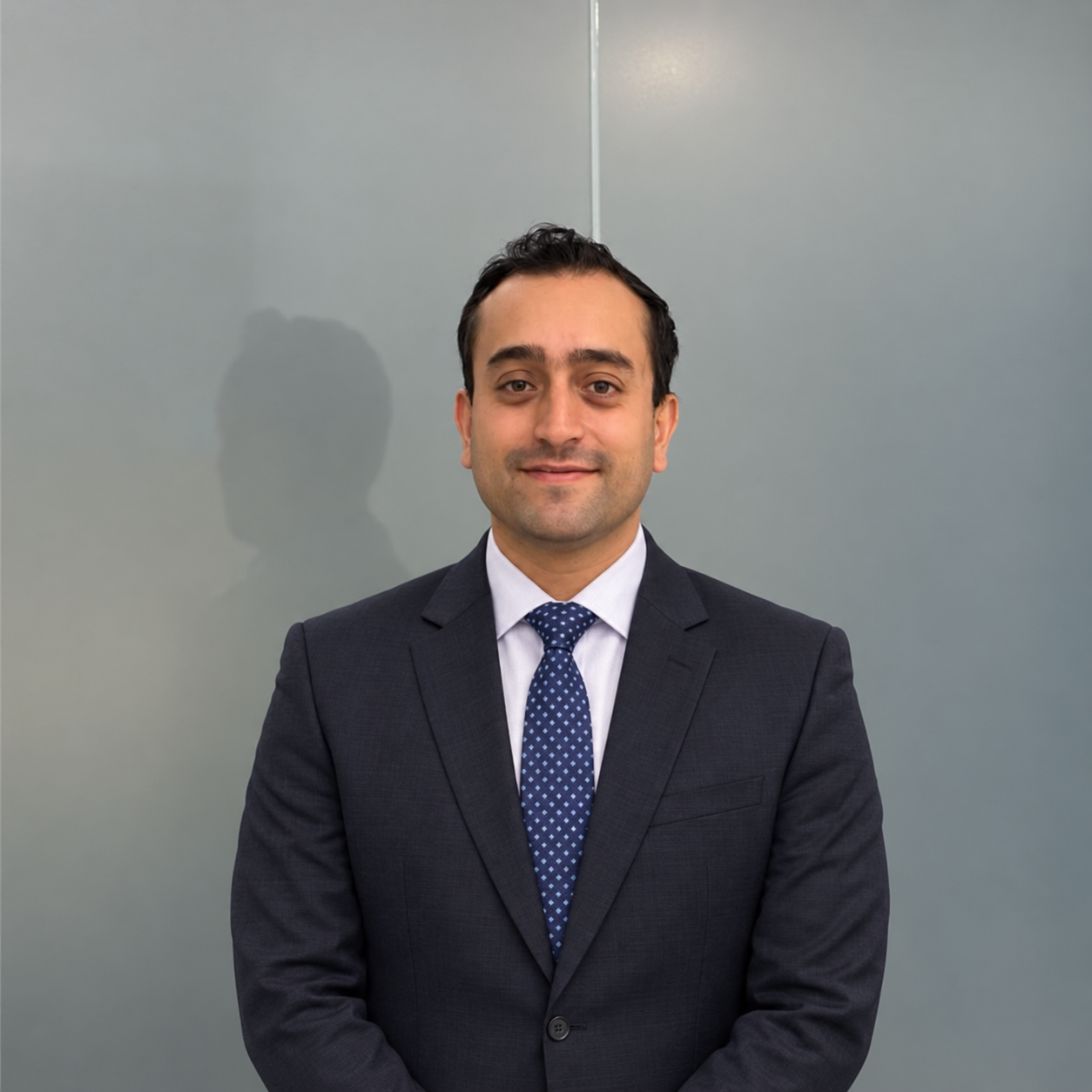
CEO | Neurologist | Epileptologist | Clinical Neurophysiologist
Dr. Camilo Iván García is a board-certified neurologist and epileptologist with advanced expertise in epilepsy, clinical neurophysiology, EEG, stereo-electroencephalography (SEEG), and epilepsy surgery. His career has focused on the evaluation and treatment of complex seizure disorders, particularly drug-resistant epilepsy and patients who may benefit from surgical treatment.
He currently serves as Associate Professor of Neurology and Medical Co-Director of the Epilepsy Surgery Program. Throughout his career, he has combined advanced clinical care, academic leadership, research, medical education, and the development of specialized epilepsy programs.
These answers summarize the epilepsy, EEG, advanced evaluation, and second-opinion services described for the Center.
Services include new-onset seizure evaluation, epilepsy diagnosis and classification, antiseizure medication management, breakthrough seizure evaluation, long-term epilepsy care, EEG and neuroimaging review, second opinions, drug-resistant epilepsy evaluation, women and epilepsy counseling, and evaluation for advanced epilepsy treatment.
Yes. New-onset seizure evaluation is included within the Center’s epilepsy services.
Patients who continue having seizures despite appropriate antiseizure medications may require a specialized drug-resistant epilepsy evaluation. This can include review of seizure history, prior medications, EEG, imaging, and the need for additional testing or advanced care.
Yes. EEG and neuroimaging review are included within epilepsy care, and second-opinion consultations may be useful when EEG or MRI findings conflict or remain uncertain.
The Center provides routine EEG, 24-hour ambulatory EEG, 48-hour ambulatory EEG, 72-hour ambulatory EEG, prolonged EEG monitoring, and specialized EEG interpretation.
Yes. Second opinions may be particularly useful for patients who continue having seizures, have an uncertain diagnosis, have tried multiple medications, have conflicting EEG or MRI results, or want another opinion regarding treatment.
Yes, we provide comprehensive pediatric EEG testing. Our staff is highly trained to perform these studies in a safe, comfortable, and child-friendly environment, ensuring the best possible experience for your child.
Yes. Neurological care is available in both English and Spanish.
Request an appointment for specialized epilepsy and seizure care at Epilepsy & Brain Center of Florida.
Complete the form and our team will contact you to help coordinate the next step.
Please do not submit medical records or sensitive medical information through this form. Our team will provide instructions if additional information is required.